Why Parents Choose Basketball Private Training for Growth ?
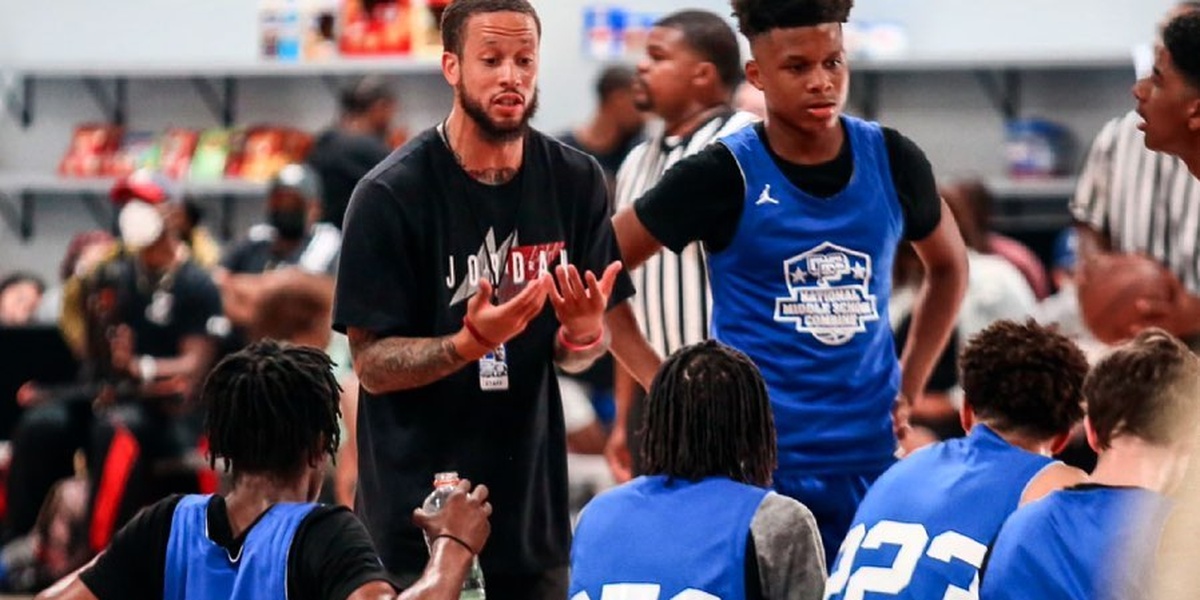
Watch enough practices from the sideline and you'll notice something: not every kid grows at the same pace, even in the same drill line. That's usually the moment a parent starts asking about basketball private training. Group practice teaches plenty, but it can't always slow down for the one player still working through a hitch in their shot or a hesitation on the catch. A private session can. There's no line to wait in and no attention split eight ways, just one coach watching one athlete and adjusting in real time. For families chasing visible growth instead of just another season of random workouts, that difference is usually where the decision gets made.
What Makes Basketball Private Training Different
Private coaching isn't just a smaller class size. It changes what's actually possible in an hour: what gets corrected, how fast a habit gets rebuilt, and how closely the work gets tailored to one athlete's game. Here's what that looks like on the court.
One Coach, One Focus, Every Rep
In a private session, the coach isn't managing seven other kids while glancing over to check on yours. Every rep gets watched, and every small mistake gets caught before it turns into a habit. That kind of attention matters most for a player working through something specific: a slow release on their jump shot, footwork that falls apart under pressure, or ball handling that only breaks down once a defender closes in. A coach who has spent years developing young athletes, like Coach Kev's staff at Prime Impact, tends to spot the real issue fast instead of just treating the symptom.
Feedback That Happens in Real Time
Group drills move fast because they have to. A private session can slow down the exact moment a player needs a correction, then speed right back up once it clicks. That loop of rep, correction, rep again is hard to recreate anywhere else, and it's the fastest way to turn a coaching cue into muscle memory instead of something a kid heard once and forgot by the next possession. Multiply that loop across a full season, and the gap between a private-trained player and a group-only player usually starts to show.
The Real Growth Parents Notice
Confidence That Carries Off the Court
Most parents don't sign up for private coaching because they want their kid to make one more shot. They sign up because they've watched their athlete shrink a little on the court: hesitating before a shot, hanging back instead of calling for the ball. Private training tends to rebuild that piece first. Once a player has drilled a move hundreds of times with a coach who caught every rep, they stop second-guessing it in a game. Parents often mention that the confidence doesn't stay on the hardwood either; it shows up in how their kid carries themselves at school and with friends. That carryover is usually the first thing parents bring up when asked what actually changed.
Skills That Hold Up Under Game Pressure
The real test of any skill isn't how clean it looks in an empty gym. It's whether it survives contact, a tired fourth quarter, or a defender who's already scouted the move. That's the whole idea behind The Blueprint, Prime Impact Basketball's private coaching program: build a skill deep enough in practice that it doesn't fall apart the first time a game gets tight. Reps like that don't happen by accident. They happen when a coach can isolate exactly what's fragile and drill it until it isn't, inside a system that pairs skill with mindset, homework, and accountability.
How 1-on-1 Basketball Training Speeds Up Development
A Plan Built Around Your Athlete
No two players plateau for the same reason. One kid needs to slow down and fix a mechanical flaw. Another is technically solid but freezes up the moment a defender gets physical. 1-on-1 basketball training lets a coach build a plan around the actual player in front of them instead of a generic curriculum built for a group of ten. That's a big part of why growth tends to happen faster this way: nothing about the session is generic.
Tracking Progress Session to Session
Because a private coach works with the same athlete every time, they notice things a rotating group coach might miss, like a shooting pocket that's drifted or footwork that's regressed since a growth spurt. Parents don't have to guess whether it's working, either. The kind of progress families describe in these transformation stories usually shows up within a handful of sessions, not a full season.
Is Private Training the Right Fit Right Now?
Private coaching isn't the right call for every athlete at every stage, and it doesn't have to be an all-or-nothing choice between group and private. A quick gut check usually makes the answer clearer before committing to either path.
Signs Your Athlete Is Ready for One-on-One Coaching
Not every athlete needs basketball private training right away, but a few signals tend to show up before a family reaches out: a specific skill that's stuck no matter how much they practice alone, a player who's outgrown what a group setting can offer, or a kid who gets overwhelmed and checks out when there's too much going on around them. Private coaching tends to work especially well for that last group. Fewer distractions usually means faster progress.
When It Makes Sense to Pair It With Group Reps
Private training doesn't have to replace everything else. Plenty of families use it alongside team practice or a group program: private sessions to fix a specific weakness, group time to build conditioning and game IQ against real competition. If you're still weighing the two, this breakdown of group training vs. personal training covers how the formats compare side by side. Either way, the fastest way to know what your athlete actually needs is to take the Player Potential Survey so a coach can see how they move and map the right next step.
Growth in basketball rarely comes from just practicing more. It comes from someone catching the right detail at the right moment and not letting it slide, inside a clear development system instead of random workouts. That's what private coaching is built for. It's not about adding more hours on the court. It's about making sure the hours already being put in actually count. If your athlete has been stuck at the same level for a while, or you can tell there's another gear they haven't reached yet, a focused hour with the right coach is usually where that starts to change. Start with the Player Potential Survey, and we'll take it from there.
