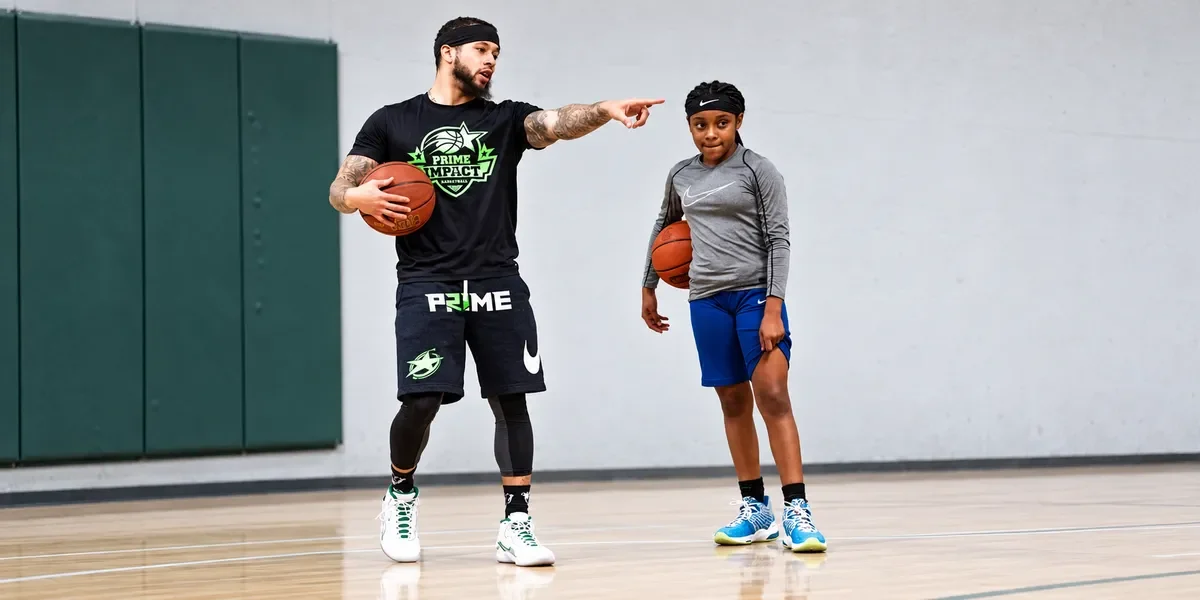
One on One Basketball Lessons: What Happens in Session One
Booking your child’s first 1on1 basketball lesson usually brings two feelings at once. There’s excitement, because they finally get a coach who’s focused only on them. And there’s a little nervousness, because you don’t really know what to expect. Will the coach push too hard? Will your child feel put on the spot? Can one hour even show anything useful?
Those are fair questions. The good news is that a well-run first session isn’t about cramming in every drill. It’s about learning who your child is as a player and as a person, then building a plan from there. Here’s what actually happens in session one, and how you can help your child walk in ready.
Why the First 1on1 Basketball Session Matters So Much
The first session sets the tone for everything after it. In that hour, your child decides whether this is a place where they feel safe being coached. And the coach gets an honest baseline of where their game stands today.
That baseline is the whole point. Without it, training turns into guesswork. With it, every session after can be aimed at the things that will make the biggest difference for your child.
What the Coach Is Looking For
A good coach watches more than makes and misses. They’re paying attention to how your child moves, how they react to correction, and what they do after a mistake. Do they shrug it off or shut down? Do they ask questions or stay quiet?
What Your Child Should Walk Away Feeling
Your child shouldn’t leave feeling judged. They should leave feeling seen. Ideally, they walk out with one or two clear things to work on, a little proof that they can improve, and a sense that their coach is in their corner.
Before the Session: Getting on the Same Page
The best first lessons start before anyone touches a ball. Many programs begin with a short conversation with the parent, and if you’d like to start that process, you can book a qualifying call to talk through your child’s game first.
That call isn’t a sales pitch. It’s a chance for the coach to understand your child’s history, your goals as a family, and anything that might affect how they train.
Questions Worth Answering Ahead of Time
Coming in prepared helps the coach make the most of session one. Be ready to share:
Your child’s grade and what level of team they play on
What they say frustrates them most about their game
Any past or current injuries
What you’ve noticed from the stands that they might not mention
What your child wants to get better at, in their own words
Inside Session One: A Step-by-Step Look
Every coach runs things a little differently, but most strong one on one basketball lessons follow a similar flow in the first meeting.
Step 1: The Welcome and Warm-Up
The session usually opens with a quick conversation. The coach introduces themselves, asks your child what they love about basketball, and explains what the hour will look like.
Why the Warm-Up Is More Than Stretching
The warm-up does double duty. It gets your child’s body ready to move, and it gives the coach a first look at their coordination, balance, and energy. A few simple movement patterns can reveal a lot about footwork and body control before any real drills begin.
Step 2: The Skill Evaluation
This is the heart of session one. The coach walks your child through a series of drills designed to show where their game is strong and where it needs work.
Ball Handling
Can your child dribble with either hand without looking down? How do they handle pressure or a change of direction?
Shooting Form
The coach watches the shot from close range first, then backs out. They’re looking at foot position, elbow alignment, balance, and follow-through. Small form issues are much easier to fix early.
Footwork and Finishing
Layups, pivots, and finishing around the rim tell the coach a lot about your child’s body control. A player who struggles here often has a footwork problem, not a talent problem. If you’re curious how coaches turn these findings into a plan, this look at how private training targets your child’s weaknesses explains the process in more detail.
Step 3: Game-Speed Reps
Drills in isolation only tell part of the story. So the coach will often add some pressure, like a defender, a shot clock, or a quick decision. This shows whether your child’s skills hold up when things speed up, which is exactly where many kids start to hesitate in real games.
Step 4: The Mindset Check
Somewhere in the hour, the coach will pay close attention to how your child handles frustration. They might ask how your child feels after a missed shot or what goes through their head during games. Confidence and focus are skills too, and the coach needs to understand both.
Step 5: The Wrap-Up and Homework
The session ends with a short recap. The coach shares what they saw, names a couple of strengths, and picks one or two areas to focus on first. Most good one-on-one basketball lessons also end with simple homework, like a ball-handling routine or form shooting, so progress keeps going between sessions.
What Parents Usually Notice After the First Lesson
Let’s be honest. One session won’t transform your child’s game. What it often does is change how they talk about it.
Many parents notice their child coming home with a clear focus. Instead of “I’m bad at shooting,” it becomes “I need to keep my elbow in.” That shift from vague frustration to a specific goal is a big deal. It means your child has something they can control. Over weeks and months, those small changes add up, and you can see what that looks like in these player transformations.
How One Session Becomes a Real Development Plan
The first session is the starting line, not the finish. What happens next is where the real growth comes from.
At Prime Impact Basketball, the thinking is simple: families aren’t paying for a set of basketball workouts. They’re investing in a complete development system. That means structure, accountability, mindset training, homework between sessions, and skill work built around one specific child. Our one-on-one program, The Blueprint, is built around that idea.
The evaluation from session one shapes all of it. It tells the coach which skills to tackle first, how fast to move, and how your child responds best to coaching.
Setting Expectations for the First Month
The first few weeks are about building habits and trust. Expect steady, small wins rather than dramatic overnight changes. Your child should feel more comfortable with their coach, more confident with their focus areas, and more willing to try new things. If you want a broader overview of how private training works over time, this parent’s guide to one-on-one training is a helpful next read.
If your child has been stuck, hesitant, or just ready for more, a first 1on1 basketball lesson is one of the clearest ways to find out what’s holding them back. Go in with honest goals, keep the car ride home positive, and let the plan do its work. Confidence gets built one rep at a time, and session one is where those reps start.
FAQs
1. How long is a typical first 1on1 basketball lesson?
Most first sessions run about an hour. That gives the coach enough time to warm up, evaluate key skills, test them at game speed, and wrap up with a clear plan.
2. What should my child bring to the first session?
Basketball shoes, comfortable athletic clothes, a water bottle, and a ball they like to use. It also helps if they come with one thing they want to get better at.
3. Should I stay and watch the first lesson?
That depends on your child and the coach. Some kids feel more relaxed with a parent nearby, while others perform more naturally without anyone watching. Ask the coach ahead of time what they prefer, and follow your child’s comfort level.
4. What if my child is nervous or shy?
That’s completely normal, and good coaches expect it. The first session is designed to ease kids in with conversation and simple drills before anything gets challenging. Many shy players open up quickly once they realize nobody is judging them.
5. Will my child see improvement after just one session?
They’ll usually leave with a clearer focus and a couple of quick fixes they can feel right away. Lasting improvement takes consistent training over weeks and months. Think of the first session as the map, not the destination.
6. Is private training a good fit for beginners?
Yes. Beginners often benefit the most because they can learn proper form before bad habits set in. They also get to build skills at their own pace without comparing themselves to anyone.
